
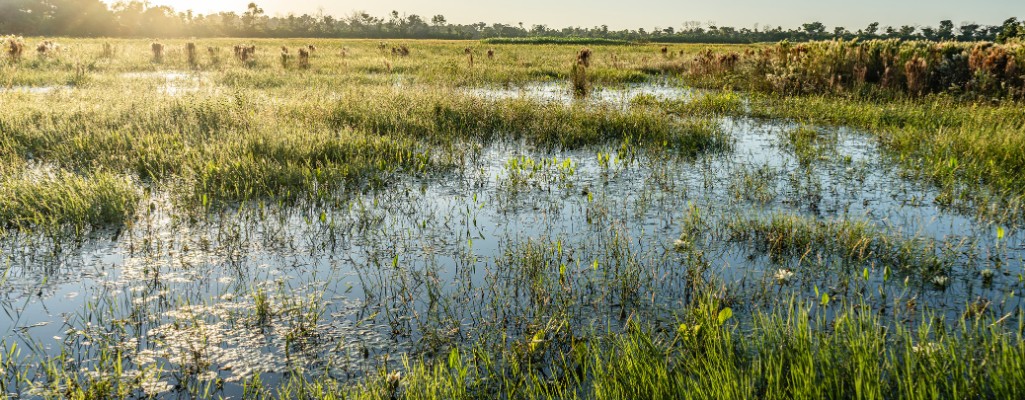
The Earth is known as the “blue planet” and about 71% of its surface is covered by water, yet only 2.5% is freshwater.
Even though it represents such a small fraction, rivers play an essential role. They regulate the climate, distribute water across landscapes, connect ecosystems, and sustain an enormous diversity of species. Rivers are living, dynamic systems that ensure the flow of biodiversity and environmental balance.
The construction of dams, the expansion of agriculture, deforestation, and pollution are some of the growing pressures on this ecosystem that have been altering the course and functioning of rivers worldwide. More than half of the world’s major rivers have already undergone some form of modification, directly impacting the wildlife, flora, and people who depend on them.
Brazil plays a central role in this scenario. With one of the largest hydrographic networks on the planet, which includes the Amazon Basin, the country hosts basins fundamental to the ecological balance of South America. The Amazon Basin is home to the Amazon River, the world’s largest river by volume, responsible for about 15% to 20% of all freshwater discharged into the oceans.
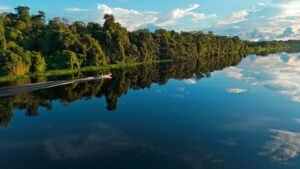
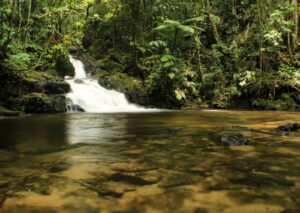
In the Amazon, Onçafari works along the Azul and São Benedito rivers within the São Benedito and Azul Rivers Wildlife Refuge (REVIS) in southwestern Pará. This conservation unit protects approximately 30,000 hectares of forest and acts as an important barrier against the advance of deforestation along the BR-163 corridor. In this landscape, rivers and forests are deeply interconnected, playing a crucial role in maintaining biodiversity.
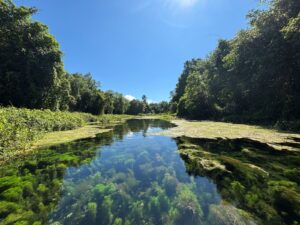
In the Pantanal, rivers are also key drivers of biodiversity. The Negro and Aquidauana rivers in the Santa Sofia and Caiman Pantanal Reserves are part of the water system that regulates the flood and drought cycles of the biome and directly influences the region’s fauna and flora. The São Lourenço River basin in the São Francisco do Perigara Reserve also plays a fundamental role and provides 40% of the Pantanal’s water.
-
- Credit: Tom Mirgel

-
- Credit: Julia Vial

-
- Credit: João Pedro Salgado

Onçafari’s work in these territories involves biodiversity monitoring, scientific research, and practical conservation actions, always considering the central role of water in maintaining these ecosystems.
Jaguar Rivers Initiative
Through the Jaguar Rivers Initiative (JRI), Onçafari, in partnership with organizations in Argentina, Bolivia, and Paraguay, works to connect natural landscapes along the Paraguay and Paraná river basins. The goal is to form a large ecological corridor allowing species movement, genetic exchange, and the maintenance of biodiversity on a continental scale.
Through strategies such as building arks, buffer zones, stepping stones, and river interventions, the initiative seeks to integrate different biomes, support flooded areas, and create essential routes for multiple species. Learn more here.

However, challenges are increasingly evident. According to MapBiomas Water, Brazil lost around 400,000 hectares of water-covered surface in 2024, a reduction equivalent to approximately 2% of the country’s water-covered areas. Additionally, extreme events, such as droughts and fires, are becoming more frequent.
In 2024, the Pantanal experienced one of its worst wildfires with 1.9 to 2.6 million hectares devastated, representing between 15% and 17% of the entire biome, according to Lasa/UFRJ and MapBiomas data.
World Water Day, celebrated on March 22nd, serves as an invitation to reflect on the importance of water resources, access to water, and the need to protect the ecosystems that sustain life on the planet.
For Onçafari, conserving water means conserving life. Healthy rivers keep forests standing, nourish plains, and provide the conditions necessary for countless species, including the jaguar, which occupies the top of the food chain and plays a key role in ecosystem balance. Where there are jaguars, there is life in balance.
Protecting these territories requires action and you can be part of it. Donate to Onçafari and contribute to the conservation of rivers and forests, helping to keep the ecosystems of Brazil’s biomes alive and connected.